Many people worry about gun safety, especially at home or in places with children. Firearms can be dangerous if not stored securely. One simple device that helps make guns safer is the trigger lock. You may have heard the term before, but what exactly is a trigger lock, and how does it work? This article explains everything you need to know about trigger locks, including their design, function, types, advantages, limitations, and practical tips. If you own a gun or care about gun safety, understanding trigger locks is essential.
What Is A Trigger Lock?
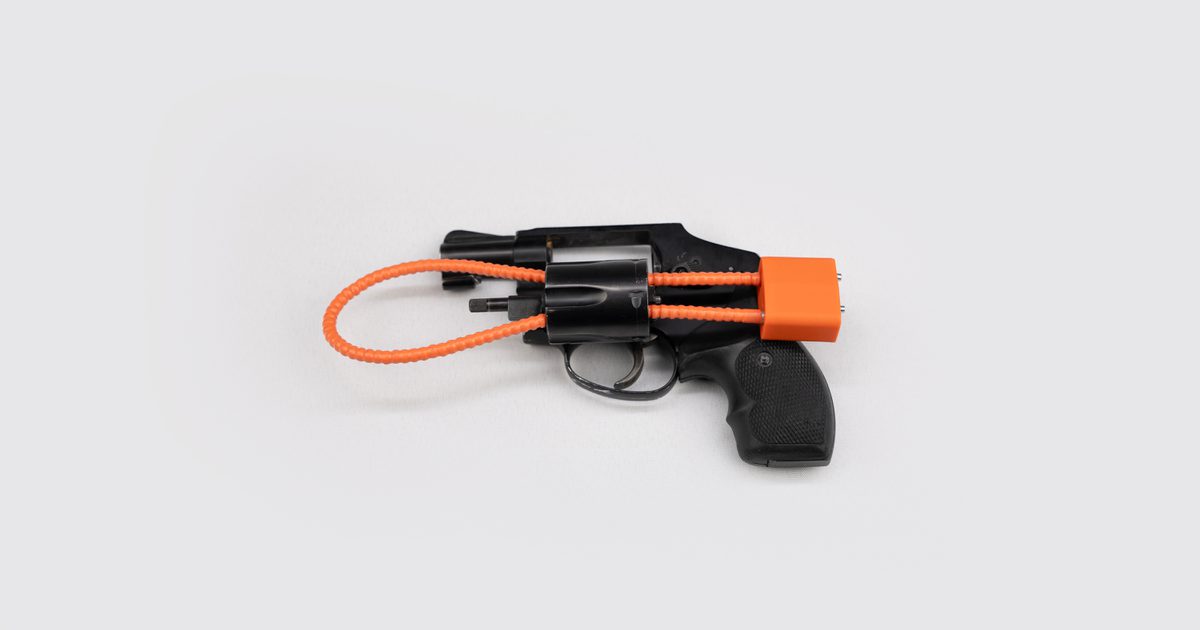
A trigger lock is a small device that attaches to a firearm to prevent the trigger from being pulled. Its main purpose is to stop accidental or unauthorized firing. The lock covers or clamps around the trigger area, making it impossible to squeeze the trigger unless the lock is removed.
Trigger locks are not complicated, but they play a big role in preventing accidents. They are popular for home gun owners, law enforcement, and anyone who wants to keep guns safe from children or unauthorized users. Unlike full gun safes, trigger locks are lightweight, affordable, and easy to use.
Exclusive Deals
Limited-time Exclusive Deals. Check current discount on Amazon.
Check Price on Amazon As an Amazon Associate I earn from qualifying purchases.Why Are Trigger Locks Important?
Gun accidents happen more often than most people realize. According to the Centers for Disease Control and Prevention (CDC), in the United States, there are thousands of unintentional shootings each year. Many involve children who find unsecured guns at home. A trigger lock adds a layer of protection, reducing the risk of these tragedies.
Some important reasons to use trigger locks:
- Child Safety: Children are naturally curious. If they find a gun, a trigger lock can help keep them from firing it.
- Prevent Theft Use: If a gun is stolen, a trigger lock can make it harder for thieves to use it quickly.
- Legal Requirements: Many states require gun owners to use trigger locks or other safety devices when storing firearms.
- Simple Security: Trigger locks are affordable and easy to install, making them a practical safety step for any gun owner.

How Does A Trigger Lock Work?
A trigger lock works by physically blocking the trigger of a gun. Most designs clamp around the trigger area and hold the trigger in place so it cannot move. The lock can be opened only by the person with the correct key or combination.
Exclusive Deals
Limited-time Exclusive Deals. Check current discount on Amazon.
Check Price on Amazon As an Amazon Associate I earn from qualifying purchases.Here’s a step-by-step explanation:
- Attachment: The lock is placed over the trigger, usually with two parts that snap or screw together.
- Locking: The owner secures the lock with a key or by setting a combination.
- Blocking: The device prevents the trigger from being pulled, making the gun unable to fire.
- Removal: Only someone with the key or correct code can remove the lock and access the trigger.
Most trigger locks are designed to fit many types of guns, including handguns, rifles, and shotguns. However, you should always check compatibility before buying.
Types Of Trigger Locks
Not all trigger locks are the same. There are several main types, each with its own features and security level. Understanding these types helps you choose the right lock for your firearm.
Exclusive Deals
Limited-time Exclusive Deals. Check current discount on Amazon.
Check Price on Amazon As an Amazon Associate I earn from qualifying purchases.| Type | How It Works | Common Use | Security Level |
|---|---|---|---|
| Key Lock | Uses a physical key to unlock | Home storage, transport | Medium |
| Combination Lock | Requires a number code to unlock | Shared access, frequent use | Medium to High |
| Cable Lock | Flexible cable through action, blocks use | Rifles, shotguns, long guns | High |
| Smart Lock | Uses fingerprint or electronic access | Tech-savvy owners | High |
Key Lock Trigger
This is the most common trigger lock. It uses a small key, similar to a padlock. The lock snaps over the trigger, and only the keyholder can unlock it. Key lock triggers are simple and affordable. The main drawback is losing the key, which can make access difficult.
Combination Lock Trigger
Combination locks do not need a key. Instead, you set a number code (often 3 or 4 digits). This is useful if several people need access. However, if you forget the code, you may have trouble opening the lock.
Cable Lock
Cable locks are a bit different. A steel cable is threaded through the gun’s action or magazine well and locked in place. This blocks the trigger and prevents loading. Cable locks are often used for rifles and shotguns.
Smart Trigger Lock
These are newer on the market. Smart locks use biometric (fingerprint) or electronic codes. They offer quick access but are more expensive. Some models can be linked to smartphones for remote control.

How Trigger Locks Compare To Other Gun Safety Devices
Trigger locks are just one type of gun safety device. It’s helpful to understand how they compare to other options like gun safes, lock boxes, and chamber flags.
| Device | Purpose | Security Level | Ease of Access | Cost |
|---|---|---|---|---|
| Trigger Lock | Blocks trigger | Medium | Fast | Low |
| Gun Safe | Full gun storage | High | Slow | High |
| Lock Box | Stores gun securely | High | Medium | Medium |
| Cable Lock | Blocks action and trigger | High | Medium | Low |
| Chamber Flag | Shows gun is empty | Low | Fast | Low |
Advantages Of Using Trigger Locks
Trigger locks are popular for several reasons. Here are the main advantages:
- Affordable: Most trigger locks cost between $5 and $30, making them accessible for almost any budget.
- Easy to Install: They take only seconds to attach and remove.
- Portable: You can use them when traveling, at the range, or at home.
- Added Protection: They lower the risk of accidental firing.
- Legal Compliance: In some areas, using a trigger lock keeps you within the law.
- Universal Fit: Many models fit a wide range of guns.
These benefits make trigger locks an attractive first step for gun safety.
Limitations And Risks
While trigger locks are helpful, they are not perfect. It’s important to know their weaknesses.
- Not Theft-Proof: Trigger locks do not stop someone from stealing the gun. They only prevent immediate use.
- Not Bulletproof: Some locks can be broken with tools or force.
- False Sense of Security: Owners may rely too much on trigger locks and ignore other safety steps.
- Danger if Installed on Loaded Gun: Putting a trigger lock on a loaded gun can sometimes cause the gun to fire, especially if the lock presses on the trigger. Always unload the gun first.
- Lost Keys or Codes: Losing access can create problems in emergencies.
Knowing these risks helps you use trigger locks safely and effectively.
How To Choose The Right Trigger Lock
Choosing a trigger lock is not just about price. You need to think about several factors:
- Compatibility: Make sure the lock fits your gun model and type.
- Security Level: Decide if you want a basic key lock, combination, or a smart lock.
- Ease of Use: If you need quick access, choose a model with a simple unlocking method.
- Durability: Look for steel or high-quality materials.
- Brand Reputation: Pick brands with good reviews and proven reliability.
- Legal Requirements: Some states have laws about what kind of locks you must use.
A common mistake is buying the cheapest lock without checking fit or quality. A poorly fitting lock can actually make your gun unsafe.
Step-by-step: Installing A Trigger Lock
Installing a trigger lock is easy, but you must do it correctly. Here’s how:
- Unload the Gun: Always make sure the gun is empty before attaching a lock.
- Open the Lock: If it’s a key lock, use the key to open. For combination, enter the code.
- Position the Lock: Place the lock so it covers the trigger completely.
- Secure the Lock: Snap or screw the two parts together.
- Test the Lock: Try to pull the trigger (without loading). It should not move.
- Store the Gun Safely: Even with a lock, store the gun in a secure place.
If you’re unsure, check the instructions that come with the lock or ask a local gun dealer.
Real-world Examples
Trigger locks have prevented many accidents. For instance, in 2018 in Texas, a child found a handgun but could not fire it because of a trigger lock. The device gave parents peace of mind.
In another case, a stolen gun with a cable lock was found by police. The thief could not use the gun because the action and trigger were blocked.
These examples show that trigger locks are effective when used correctly.
Common Mistakes To Avoid
Many gun owners make errors with trigger locks. Here are some to watch out for:
- Installing on Loaded Guns: Always unload before locking.
- Using Cheap, Weak Locks: Avoid low-quality brands that break easily.
- Forgetting to Lock: Some people attach but forget to actually lock the device.
- Leaving Key Nearby: Don’t store the key in the same drawer as the gun.
- Ignoring Other Safety Steps: Trigger locks are not a substitute for safe storage.
If you follow best practices, trigger locks will serve you well.
Legal And Regulatory Aspects
In the United States, laws about gun storage and trigger locks vary by state. Some states require locks to be sold with guns. Others mandate that guns in homes with children must have locks or be stored securely.
For example, California law requires all new gun purchases to include a safety device like a trigger lock. Massachusetts has strict rules about storing guns with locks.
It’s important to check your local laws before buying a trigger lock. Failing to follow regulations can lead to fines or legal trouble.
You can find more details about gun safety laws at the official Bureau of Alcohol, Tobacco, Firearms and Explosives website.
Statistics: Trigger Locks And Gun Safety
Data shows that trigger locks make a difference. According to the Project ChildSafe program, millions of free gun locks have been distributed in the US. Surveys show that homes using trigger locks have lower rates of accidental shootings.
- About 4.6 million children live in homes with unsecured guns.
- Using a trigger lock reduces the risk of accidental discharge by more than 50%.
- States with strong storage laws report fewer gun accidents.
These numbers highlight the importance of trigger locks for families and communities.
Tips For Safe Gun Storage With Trigger Locks
To maximize safety, combine trigger locks with other steps:
- Store unloaded: Never store a loaded gun, even with a lock.
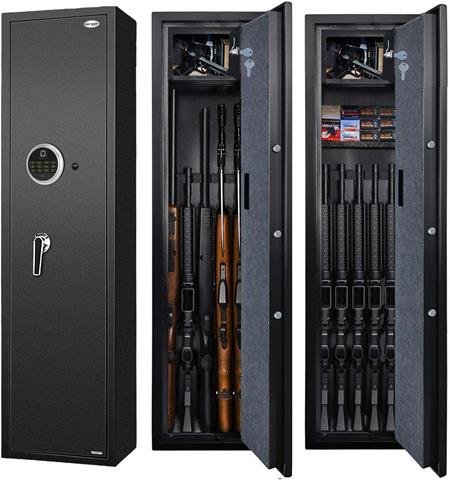
- Use a safe or lock box: For extra security, place locked guns in a locked container.
- Hide keys and codes: Keep access information away from children.
- Educate family: Teach everyone about gun safety, even if you use locks.
- Regularly check locks: Inspect for wear or damage.
By combining these practices, you protect your loved ones and stay within the law.
Innovations In Trigger Lock Technology
Trigger locks continue to evolve. New models include biometric smart locks and wireless controls. Some locks now alert your phone if tampered with.
Manufacturers are working to make locks faster to open, harder to break, and easier to use. While these options cost more, they offer advanced security and peace of mind.
Frequently Asked Questions
What Is The Main Purpose Of A Trigger Lock?
A trigger lock is designed to prevent the trigger from being pulled, stopping accidental or unauthorized firing of a gun. It adds a layer of safety, especially for homes with children or where guns might be accessed by people without permission.
Can I Use A Trigger Lock On Any Type Of Gun?
Most trigger locks are universal and fit many types of guns, including handguns, rifles, and shotguns. However, always check the packaging or product details for compatibility with your specific firearm.
Are Trigger Locks Required By Law?
In some states, trigger locks are mandatory when storing firearms or when selling a gun. Requirements vary, so check your local laws to stay compliant and avoid penalties.
Are Trigger Locks Completely Secure?
Trigger locks make guns safer, but they are not foolproof. They can be broken with tools or force, and do not stop theft. Always combine trigger locks with safe storage and other security measures.
What Should I Do If I Lose The Key Or Forget The Combination?
If you lose access, contact the manufacturer for advice. Some locks have backup solutions, but you may need to cut the lock or call a locksmith. Avoid storing the key or code in obvious places.
Trigger locks are a simple yet effective way to improve gun safety. They are not a complete solution, but they reduce risks, especially for families with children. By understanding how they work, choosing the right lock, and combining them with other safety steps, you protect yourself and those around you.
Always follow best practices, keep up with local laws, and remember that gun safety is everyone’s responsibility.