Can A Trigger Lock Be Picked Or Broken?
Trigger locks are a popular safety tool used by gun owners to prevent accidental firing or unauthorized use. Many people believe these devices are a simple, cheap solution for keeping firearms secure. But how effective are trigger locks against tampering, picking, or breaking?
If you’re concerned about gun safety or theft, understanding the strengths and weaknesses of trigger locks is crucial. This article dives deep into trigger lock security, how they work, their vulnerabilities, and what you really need to know to protect your firearms.
What Is A Trigger Lock?
A trigger lock is a small device designed to block the trigger of a firearm, making it hard to fire the gun without removing the lock. Most trigger locks clamp around the trigger guard and have either a key or combination mechanism.
Exclusive Deals
Limited-time Exclusive Deals. Check current discount on Amazon.
Check Price on Amazon As an Amazon Associate I earn from qualifying purchases.The main goal is to prevent accidents, especially where children or unauthorized users are present.
There are two main types of trigger locks:
- Keyed trigger locks: These require a physical key to unlock.
- Combination trigger locks: These use a number dial or code.
Some modern trigger locks also have electronic features, but most in homes and stores are basic mechanical models.
How Trigger Locks Work
Trigger locks are simple devices. The lock clamps over the trigger guard, blocking access to the trigger. When locked, the trigger cannot be pulled, so the gun cannot be fired. The lock is typically made from metal or strong plastic, with the locking mechanism inside the casing.
Exclusive Deals
Limited-time Exclusive Deals. Check current discount on Amazon.
Check Price on Amazon As an Amazon Associate I earn from qualifying purchases.Many people use trigger locks for quick, affordable safety. But it’s important to know that trigger locks are not designed to withstand serious attacks or skilled tampering. Their main purpose is to delay or discourage unauthorized use, not to be the ultimate security solution.
Strengths Of Trigger Locks
Trigger locks offer some clear benefits:
- Low cost: Many models cost between $10 and $30.
- Easy to install: No tools or gunsmithing required.
- Basic child safety: Helps prevent small children from firing a gun.
- Lightweight: Easy to carry or store with the firearm.
But these strengths also come with trade-offs. Trigger locks are meant for convenience and basic protection, not high-security.
Exclusive Deals
Limited-time Exclusive Deals. Check current discount on Amazon.
Check Price on Amazon As an Amazon Associate I earn from qualifying purchases.Common Trigger Lock Materials
The durability of a trigger lock depends on its material. Most are made from:
- Zinc alloy
- Steel
- Hard plastic
Steel trigger locks are generally stronger, but even these can be vulnerable to certain attacks. Zinc alloy is lighter and cheaper, but easier to damage or cut. Plastic locks are only recommended for temporary or low-risk situations.
Here’s a quick comparison:
| Material | Strength | Cost | Common Use |
|---|---|---|---|
| Steel | High | Moderate | Home, range |
| Zinc Alloy | Medium | Low | Budget locks |
| Plastic | Low | Very low | Temporary |

Can A Trigger Lock Be Picked?
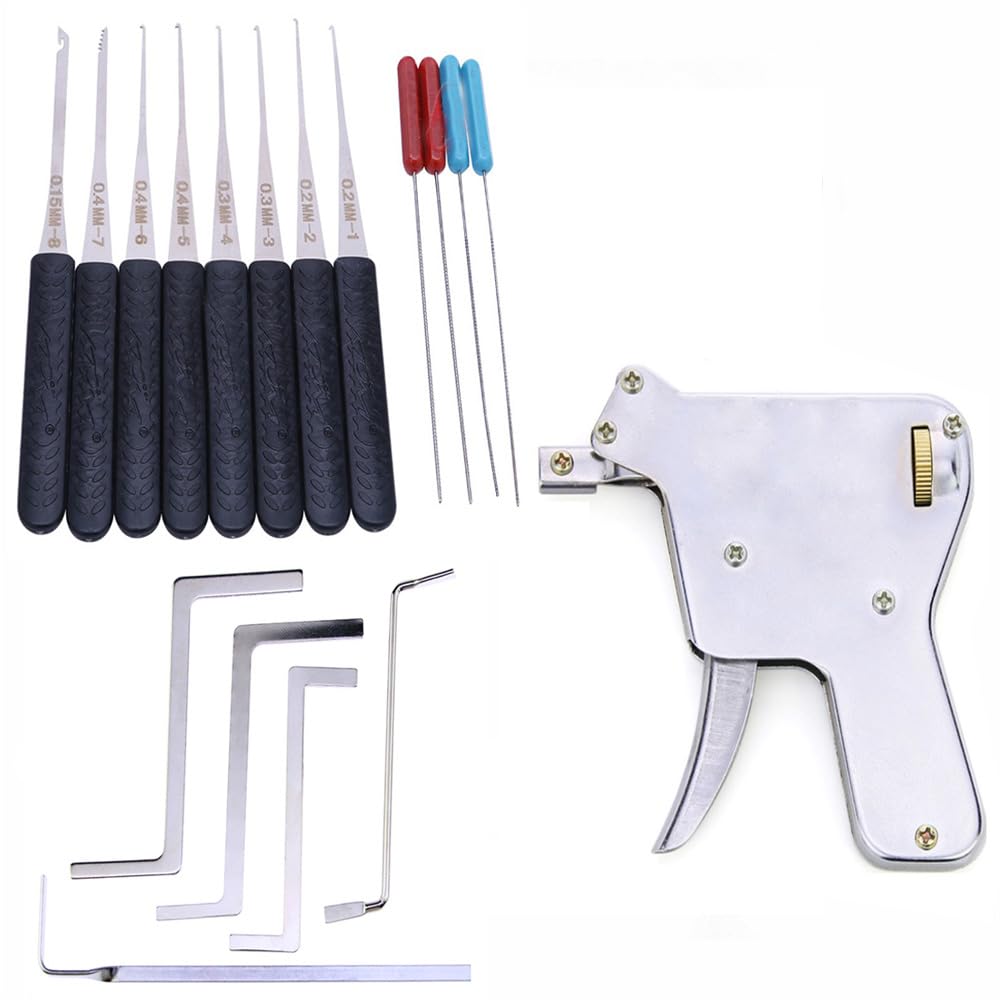
Let’s get straight to the point: Most trigger locks can be picked, especially the keyed models. The quality of the lock cylinder is often low, using simple pin or wafer mechanisms. These are much easier to pick than high-security padlocks.
Picking Keyed Trigger Locks
Most keyed trigger locks use basic lock designs, similar to cheap luggage locks or desk drawer locks. This means:
- Simple tools like a paperclip or small pick can often open them.
- Lockpicking beginners can learn to open many trigger locks in minutes.
- No advanced skills are needed for common models.
There are many online videos showing how easily some trigger locks can be picked. For example, a popular YouTube demonstration shows a $15 trigger lock opened in less than 30 seconds with a basic lockpick.
Combination Trigger Locks
Combination trigger locks are harder to pick in some cases, but not impossible. Many have only three or four digits, so brute force attacks can work quickly. If the lock is not shielded, someone can feel or see the movement of the dials and guess the code.
Some newer models use more complex combinations or anti-tamper features, but most budget locks remain easy to bypass.
Real-world Data
In a 2019 test by the National Shooting Sports Foundation, 8 out of 10 budget trigger locks could be picked or bypassed in under 3 minutes by a beginner lockpicker. High-end models lasted longer but were not immune.
Can A Trigger Lock Be Broken?
Picking is not the only risk. Many trigger locks can be broken using force or simple tools.
Physical Attacks
Common ways trigger locks are physically defeated:
- Hammering: Striking the lock to break weak parts.
- Cutting: Using bolt cutters or saws to slice through metal or plastic.
- Prying: Using a screwdriver or lever to force the lock apart.
Many locks are small and made from thin material. Even steel models have vulnerable spots. Some people use pliers to twist and break a lock, especially if it’s made from zinc or plastic.
Vulnerable Designs
Some trigger locks have exposed screws or hinges. If a thief can access these, they may unscrew or pop the lock open. Others have weak locking pins that snap under pressure.
Comparing Popular Models
Let’s look at how common trigger lock brands stand up to force:
| Brand | Material | Picking Resistance | Force Resistance | Price |
|---|---|---|---|---|
| Master Lock 90DSPT | Steel | Low | Medium | $20 |
| Remington Trigger Lock | Zinc Alloy | Low | Low | $15 |
| FSDC Combination Lock | Plastic | Medium | Low | $10 |
| Hornady Alpha Lock | Steel | Medium | High | $35 |
As you can see, only high-end steel locks resist force well, and even they are not immune to skilled attacks.
Are Trigger Locks Enough For Gun Safety?
Trigger locks provide basic safety, but they are not a full security solution. If someone really wants to access your firearm, a trigger lock alone will not stop them. Most experts agree that trigger locks should be used as one part of a larger safety plan.
Best Practices
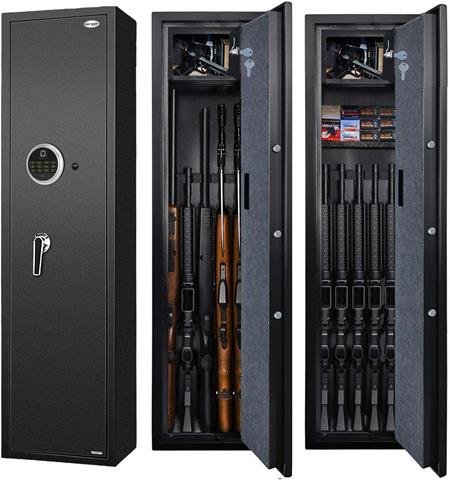
- Use trigger locks in addition to a gun safe: Safes provide much better protection against theft.
- Keep guns unloaded: Even with a lock, an unloaded firearm is safer.
- Store ammunition separately: This reduces the risk of accidental firing.
- Choose high-quality locks: Cheap models are easy to defeat.
Real Example
In 2018, a study of gun thefts in the US found that over 60% of stolen firearms had only a trigger lock or cable lock, not a full safe. Thieves could remove the lock in minutes or simply take the gun and unlock it later.
Common Mistakes When Using Trigger Locks
Many gun owners make mistakes that reduce the effectiveness of trigger locks. Avoid these pitfalls:
- Using the cheapest lock: Cheap locks are often easy to pick or break.
- Relying only on trigger locks: Don’t assume a lock is enough protection.
- Leaving keys nearby: If someone finds the key, the lock is useless.
- Not checking the fit: Some locks don’t fit all guns properly.
- Ignoring quality: Weak materials break easily.
A non-obvious insight: Many trigger locks are not universal, and a poor fit can make it easier to defeat the lock. Always test your lock on your specific firearm before relying on it.

Comparing Trigger Locks To Other Gun Safety Devices
Trigger locks are only one option. Let’s compare them to other common safety devices:
| Device | Security Level | Cost | Ease of Use | Common Weakness |
|---|---|---|---|---|
| Trigger Lock | Low | Low | Easy | Picking, force |
| Cable Lock | Medium | Low | Easy | Cutting |
| Gun Safe | High | High | Moderate | Key/combination theft |
| Biometric Safe | Very high | Very high | Moderate | Electronics failure |
Cable locks pass through the action of the gun, making firing impossible without removal. Gun safes and biometric safes are much harder to break or pick, but cost more and take more space.
Advanced Trigger Lock Designs
Some newer trigger locks use advanced features to improve security:
- Electronic locks: Require a code or fingerprint.
- Tamper alarms: Sound if the lock is attacked.
- Heavy-duty steel: Harder to cut or pry.
These models cost more, usually $40–$100, but offer better resistance to picking and breaking. However, even advanced locks can have flaws. Electronics may fail, batteries can die, and physical attacks may still work with enough effort.
Legal Requirements And Recommendations
Many US states require gun owners to use a trigger lock or similar device, especially when children are present. Some gun manufacturers include a trigger lock with each new firearm.
But laws rarely require high-security devices. The minimum standard is often a basic lock, which is easy to pick or break. Gun safety groups recommend using a safe or multiple security devices for real protection.
According to the CDC, accidental gun deaths among children dropped by 20% in homes where both a trigger lock and a gun safe were used. This shows that multiple layers of security are more effective.
Practical Tips For Better Security
If you want to keep your guns secure, consider these practical tips:
- Invest in quality: Buy the best lock you can afford.
- Layer your defenses: Use a trigger lock plus a cable lock or safe.
- Hide your keys: Store keys in a separate, secure location.
- Check for fit: Test your lock on your firearm to ensure proper fit.
- Educate family members: Make sure everyone knows gun safety rules.
- Inspect regularly: Check your locks for signs of wear or damage.
A non-obvious insight: Even the best trigger lock can be defeated if someone has time and privacy. The goal is to slow down or discourage unauthorized access, not to create perfect security.
What To Do If Your Trigger Lock Is Defeated
If you discover your trigger lock has been picked or broken, take action:
- Remove the lock: Don’t use a compromised lock again.
- Inspect your firearm: Look for damage or tampering.
- Report theft or tampering: Notify authorities if your gun is missing or someone tried to access it.
- Upgrade your security: Buy a higher-quality lock or use a safe.
- Educate family members: Make sure everyone understands the risks.
Frequently Asked Questions
How Easy Is It To Pick A Trigger Lock?
Most trigger locks, especially cheap models, are easy to pick. Many use basic lock cylinders that can be opened with simple tools. Even a beginner can learn to pick these locks in minutes. High-end models are harder to pick but still not impossible.
Are Combination Trigger Locks More Secure?
Combination trigger locks can be more secure, but many use only three or four digits. This makes it possible to guess or brute-force the code quickly. Some advanced models have more digits or anti-tamper features, but most remain vulnerable to skilled attackers.
Will A Trigger Lock Stop A Thief From Stealing My Gun?
No. A trigger lock can slow down a thief but will not prevent theft. Most locks can be picked or broken in minutes. For real protection, use a gun safe or lock box in addition to a trigger lock.
Is It Safe To Rely Only On A Trigger Lock For Child Safety?
A trigger lock adds a layer of protection, but it should not be your only safety measure. Children may find keys or learn codes, and cheap locks are easy to defeat. Combine trigger locks with safe storage and teach children about gun safety.
What Is The Best Trigger Lock For Security?
The best trigger locks use heavy-duty steel, advanced locking mechanisms, and anti-tamper features. Electronic locks with alarms or biometric access offer better resistance. However, even the best trigger locks are less secure than a gun safe. Always combine locks for maximum safety.
Final Thoughts
Trigger locks are a useful tool for basic gun safety, but they are not a high-security solution. Most can be picked or broken with simple tools and little skill. If you want real protection for your firearms, use a trigger lock as one part of a larger safety plan. Combine it with a gun safe, cable lock, and smart storage practices. Remember, the goal is to slow down unauthorized access and prevent accidents, not to rely on a single device. For more information on gun safety standards and lock testing, visit the National Shooting Sports Foundation. Stay informed, invest in quality, and always think about layers of security for your peace of mind.